
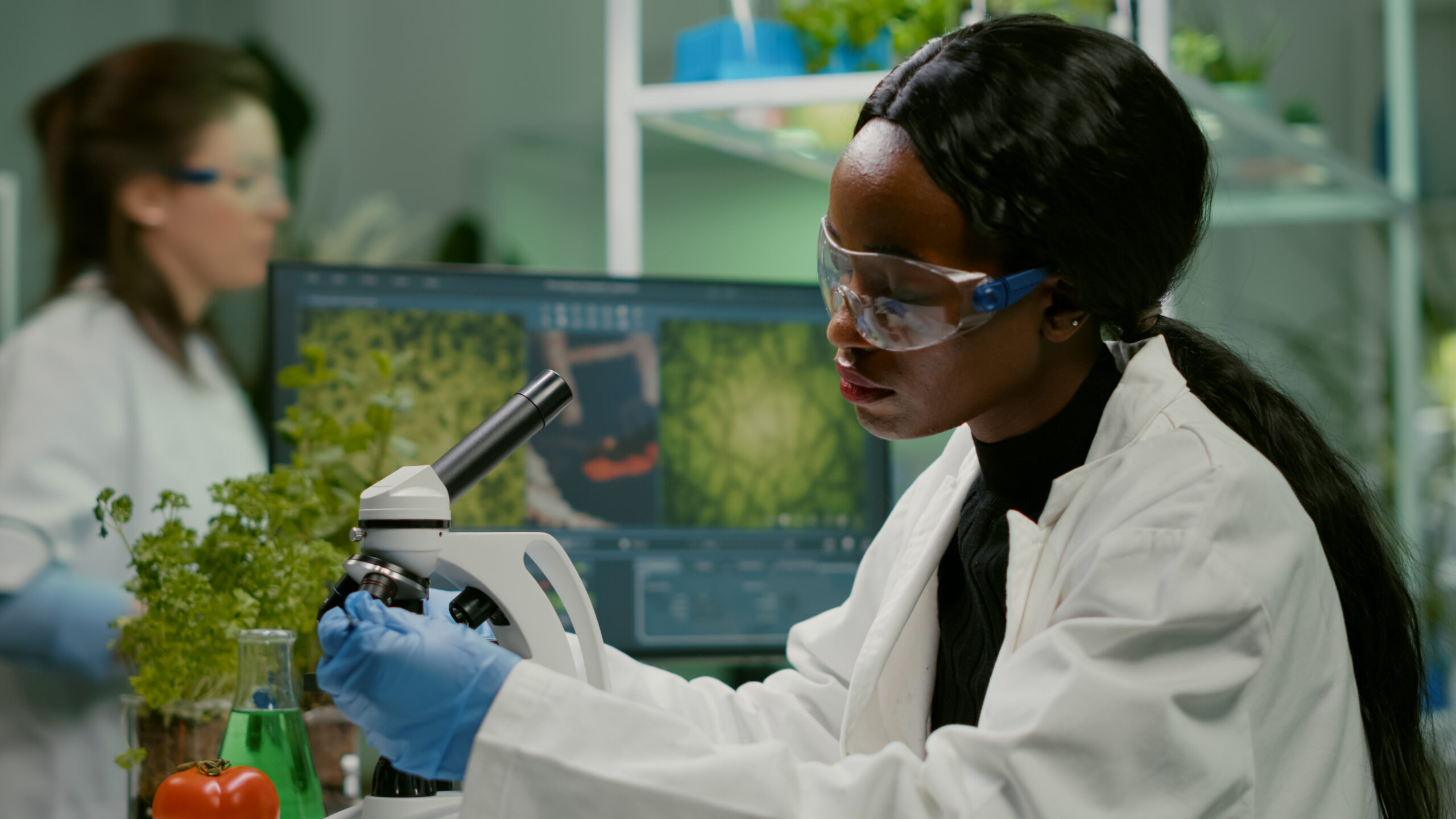
A biology degree can open doors to chiropractic, research, environmental science, biotechnology, healthcare, education and beyond.
If you are curious about how living systems work—from cells and genes to ecosystems and human health—a biology degree can give you a strong foundation for a wide range of meaningful careers. For many students, biology is more than a major; it is a launchpad for discovery, service and purpose.
At Life University, Biology students study the science of life in a community grounded in vitalistic thinking, whole-person health and Lasting Purpose. That means students are not only learning scientific concepts; they are also developing the critical thinking, communication and problem-solving skills needed to use science in ways that can help people, communities and the world around them.
Biology Is One of the Most Versatile Science Degrees
One of the biggest strengths of a biology degree is flexibility. Because biology explores the systems and processes that sustain life, it connects naturally to many fields, including chiropractic, laboratory research, environmental science, public health, biotechnology, education and science communication.
According to the U.S. Bureau of Labor Statistics, biology graduates work across a broad range of occupational groups, and many biology-related fields require strong scientific literacy, laboratory experience and analytical thinking. For example, biological technicians typically need a bachelor’s degree in biology or a related field and support scientific work through laboratory setup, sample testing, data collection and observation.
Career Paths You Can Explore With a Biology Degree
A bachelor’s degree in Biology can prepare students for entry-level opportunities, graduate study or professional programs, depending on their goals. Some careers require additional certifications, licensure or advanced degrees, so students should use their undergraduate years to explore options, gain experience and plan their next steps carefully.
Pre-Professional Pathways
Biology is a common choice for students interested in wellness-centered care because it provides a strong foundation in anatomy, physiology, microbiology, genetics and other life sciences. Graduates may continue into professional programs such as chiropractic and other optimal healthcare functioning and well-being industries.
At Life U, Biology can be especially attractive for students who are considering the Doctor of Chiropractic pathway or other health-focused graduate options. This major helps students build the science background needed to understand the human body while also encouraging a broader view of health, human potential and service.
Laboratory, Research and Biotechnology Roles
Students who enjoy experiments, data and discovery may find opportunities in laboratories, research settings, biotechnology companies, quality control environments or university research programs. Common early-career roles may include biological technician, laboratory assistant, research assistant or quality assurance associate.
These roles often involve preparing samples, maintaining lab records, supporting experiments, using specialized equipment and following safety protocols. Students who want to pursue advanced research, science or academic careers often continue into master’s, doctoral or professional programs.
Environmental Science, Conservation and Sustainability
Biology also provides a pathway for students passionate about understanding, preserving and supporting the natural world. Graduates may pursue careers in environmental science, conservation, wildlife biology, ecology, sustainability and natural resource stewardship, contributing to efforts that protect ecosystems, promote environmental well-being and foster a thriving future for all living systems.
For students who care about the relationship between human health and environmental health, this pathway can be especially meaningful. Biology helps students understand how organisms interact with their environments and how science can inform responsible stewardship.
Public Health, Education and Science Communication
Not every biology graduate works in a lab or clinical setting. Some use their science background in public health, community education, nonprofit work, science writing, health communication, teaching or outreach. These paths can be a good fit for students who enjoy explaining complex ideas, supporting community well-being or helping others make informed decisions about health and science.
How Life University Helps Students Build a Strong Foundation
Life University’s Biology program is grounded in a philosophy that is deeply respectful of the innate intelligence of life – the ability of all organisms to be conscious, self-developing, self-maintaining and self-healing. You will graduate with a solid knowledge base in the foundations of biology and cultivate a sense of respect and responsibility for our human role in understanding and influencing both our own living bodies and our place in the world.
Life U’s learning environment also gives students opportunities to connect biology with broader conversations about health, wellness, chiropractic, nutrition, exercise science, psychology and sustainability. That interdisciplinary perspective can help students see how biological knowledge applies to real people, real communities and real challenges.
Questions to Ask as You Explore Biology Careers
- Do I want to work directly with patients, support clinical teams or pursue a professional healthcare degree?
- Am I energized by laboratory work, research questions and scientific discovery?
- Do I care about environmental issues, conservation or sustainability?
- Would I enjoy explaining science through teaching, writing, public health or community education?
- Am I willing to pursue graduate school, professional school, certification or licensure if my chosen career requires it?
Your Biology Degree Can Become a Pathway to Purpose
A biology degree does not point to only one career. It gives students a foundation for many possibilities—and the opportunity to shape that foundation around their interests, strengths and long-term goals. Whether you are preparing for chiropractic school, considering research, thinking about environmental science or simply fascinated by the science of life, Biology at Life U can help you begin with purpose.
Ready to explore where a Biology degree can take you? Learn more about Life University’s Biology program, connect with Admissions or schedule a campus visit to discover how your curiosity about life can become a meaningful future.
Social Media